The anterior cruciate ligament, or ACL, is one of the main ligaments that holds your knee steady. It is often injured during sports that involve sudden stops, twists or changes of direction, such as football, netball, rugby and skiing.
When the ACL tears, many people choose to have surgery to rebuild it. This operation is called an ACL reconstruction. But the surgery is only half the story. The work you do with your physiotherapist afterwards is just as important for getting your knee strong and working well again.
Physio often starts before the operation. This is sometimes called “prehab”. The aim is to calm down swelling, get the knee bending and straightening as fully as possible, and build up strength in the thigh muscles. People who go into surgery with a stronger, less swollen knee usually find the recovery smoother.
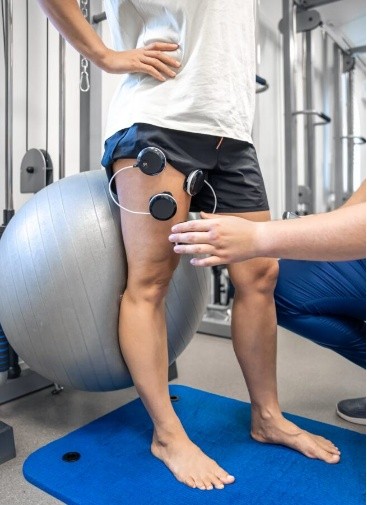
In the first few weeks after surgery, the focus is on the basics. Your physio will help you control pain and swelling, get the knee fully straight, and slowly improve how far it bends. You will also learn simple exercises to “wake up” the big muscle at the front of the thigh, which can switch off after an operation. Most people use crutches for a short time and gradually return to walking normally.
As the weeks go on, the exercises become intensive. You will work on strength, balance and control, using things like squats, step-ups, cycling and exercises on one leg. Later, usually after a few months, you may start running, jumping and changing direction. Before going back to sport, your physio will often check your strength and movement with simple tests to
Recovery from ACL surgery takes time and patience, and everyone moves at a different pace. Doing your exercises regularly, as advised by your physio will make the healing faster.
Rushing back too early can raise the risk of injuring the knee again, so it pays to follow the plan. With steady work, most people get back to the activities they enjoy.